.png)
Sanat tarihi genellikle pigmentlerin, perspektifin veya optik lenslerin keşfiyle yazılır. Ancak bugün, görsel kültürün tarihi insan eliyle değil, "latent space" (gizli uzay) dediğimiz o sonsuz dijital boşluğun katmanları arasında yazılıyor.
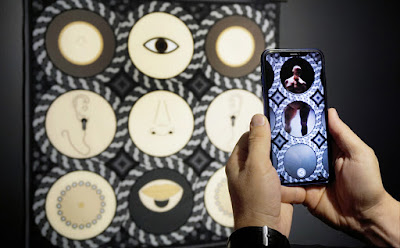
2023 yılında, sanatçı ikilisi Ahmet Rüstem Ekici ve Hakan Sorar’ın "The Pond" (Gölcük) adlı eseri, Kütahya’daki göçmen kurbağaların hikayesini, Seyitömer Höyüğü’nden çıkan 5000 yıllık kaplarla harmanlayarak anlatmıştı. O dönem, bu hikayeyi görselleştirmek için kullanılan yapay zeka araçları, emekleme çağındaki bir çocuğun hayal gücü gibiydi: Büyüleyici, sürreal ama "kusurlu".
Bugün, 2025’in sonlarında aynı komutları (promptları) sistemlere girdiğimizde bambaşka bir sonuçla karşılaşıyoruz. Kurbağalar yaratıklar ya da artık plastik oyuncaklar gibi değil, nemli, nefes alan canlılar gibi görünüyor. Peki bu değişim sadece "daha iyi piksel" demek mi? Hayır. Bu, makinenin görmeyi öğrenme sürecinin bir belgeseli.
Gelin, bu dijital kazıyı birlikte yapalım ve 2023’ten bugüne nelerin değiştiğini, gelecekte bizi nelerin beklediğini bu 38 görsel ve 1 ses komutu üzerinden inceleyelim.
Bölüm 1: Dijital Kazı Alanı (Prompt Arşivi)
Bir sanat tarihçisi için 19. yüzyılın ilk Daguerreotype fotoğrafları ne kadar kıymetliyse, 2023 yılının o "halüsinatif" promptları da dijital sanat tarihi için o kadar değerlidir. Aşağıdaki liste, bir makineye "Anadolu'yu, doğayı ve yaşamı" öğretmek için kullanılan kaynak kodlardır. Bu promptlar, değişimin tanıklarıdır:
Görsel Promptları:
Static shot, eye-level view of a morning pond. Foreground: sharp details of reeds and bushes. Middle ground: a thin layer of fog hovering above the still water. Background: gentle slopes and forest treeline. Lighting: bright golden sunrise, sunbeams hitting the mist, glowing yellow atmosphere. 8k resolution, highly detailed textures, masterfully graded in warm yellow hues, serene environment.
Static cinematic shot focusing on a dense thicket of golden-colored reeds in the foreground. Only a very small sliver of the pond is visible through the tall stalks. In the soft-focus, blurred background, two traditional single-story old and abandoned Anatolian village houses with white walls and red-tiled roofs are visible. The entire scene is bathed in a rich, warm golden-hour glow, with light hitting the textures of the reeds. 4k, hyper-realistic, tranquil and atmospheric morning mood. dramatic pond reflection. mid high angle. mud and pond grasses
Extreme close-up, static macro shot of a single wheat-like reed plant at the edge of a pond, its tip almost touching the still water surface of the pond. The background is completely enveloped in thick, morning mist, creating a soft blur. Gentle golden sunrise light filters through the fog, blending with the mist to create a glowing, warm yellow atmosphere. Hyper-realistic textures, cinematic lighting, tranquil and serene mood, 4k.
A low-angle static cinematic shot focusing on textured, wet mud and thick green reeds at the edge of a large pond. The foreground is dominated by earthy mud and marsh grasses. In the middle ground, the still water of the pond clearly reflects the images of a few old, weathered white Anatolian village houses with red-tiled roofs located in the background. The houses appear aged and nearly derelict. Natural morning light, realistic reflections on the water, high-detail textures of the mud and plants, 4k resolution, serene rural atmosphere.
A naturalistic photograph of a muddy pond. The frame is filled with rich textures of wet, dark mud, thick green reeds, wild grasses, and various marsh plants. Water droplets cling to the vegetation. The water in the pond is murky and brown. Soft, diffused natural daylight illuminates the scene, highlighting the organic details and earthy tones. Film grain, high resolution, raw and organic feel, sharp focus on the foreground vegetation and soil where the lake is visible. zoom out lake photo
An eye-level, close-up portrait photograph of a brown Anatolian marsh frog. The frog's head and shoulders protrude from murky, brown pond water, and it is looking directly into the camera lens with an intense gaze. Dense green reeds and aquatic plants surround its face. Natural daylight, sharp focus on the eyes and wet skin texture, realistic, swamp environment.
An eye-level, close-up portrait photograph of a brown Anatolian marsh frog perfectly centered amidst dense green reeds and aquatic plants. The frog's head and shoulders protrude from murky, brown pond water, looking directly into the camera lens. The background is extremely blurred with heavy bokeh, creating a soft, indistinct wash of greens and browns. A light, subtle mist hangs in the air, adding a hazy, atmospheric quality to the swamp environment. Natural daylight, sharp focus specifically on the frog's eyes and wet skin texture, very shallow depth of field
A detailed close-up photograph of two brown, textured Anatolian marsh frogs positioned side-by-side in shallow, thick muddy water at the very edge of a pond. Their full bodies, including front and hind legs and webbed feet, are clearly visible, partially embedded in the wet, dark brown mud and silt. Small patches of marsh grass, reeds, and wet soil surround them. Natural daylight illuminates their wet skin and the texture of the mud. Sharp focus on both frogs, realistic, earthy environment. frogs are looking at the camera low angle. one frog is big the other frog is small. misty fog.
A detailed close-up photograph of two brown, textured Anatolian marsh frogs. A significantly smaller frog is perched directly on top of the back and head of a larger frog. They are positioned in shallow, thick muddy water at the very edge of a pond, with their legs and feet visible embedded in the wet sludge and soil. The background is extremely blurry with heavy bokeh, creating indistinct washes of soft brown and green hues. Natural daylight, sharp focus on the stacked frogs, realistic, earthy swamp environment. misty foggy weather
An ultra-close-up, extreme macro photograph focusing tightly on the head of a brown, textured Anatolian marsh frog. Only its protruding eyes and the very ridge of its mouth/snout area are visible just above the surface tension of still pond water. A crystal-clear, mirror-like reflection of its eyes and snout is perfectly visible on the water surface directly beneath it. Natural daylight, razor-sharp focus strictly on the eye details and wet skin texture, with an extremely shallow depth of field blurring the immediate water surface.
An ultra-close-up, extreme macro photograph focusing tightly on the head of a brown, textured Anatolian marsh frog. Only its protruding eyes and the very ridge of its mouth/snout area are visible just above the surface tension of still pond water. A crystal-clear, mirror-like reflection of its eyes and snout is perfectly visible on the water surface directly beneath it. Natural daylight, razor-sharp focus strictly on the eye details and wet skin texture, with an extremely shallow depth of field blurring the immediate water surface. pond grasses by the misty foggy pond with dramatic morning sun on the grasses and the frog where the grasses creates depth
An extreme macro photograph capturing a slight side head and eyes profile view of a brown, textured Anatolian marsh frog partially submerged in pond water. Distinct concentric ripples are emanating outwards from the frog's body across the water surface. Only a very few sparse blades of grass are visible near the frog. The atmosphere is heavy with early morning mist by the pond grasses. Warm, golden hour sunlight strikes the frog directly, creating gleaming highlights and reflections on its wet skin and eye. Razor-sharp focus on the skin texture, very shallow depth of field. long grasses are visible by the pond
An extreme close-up, wide-angle macro photograph with distorted perspective. The brown, textured Anatolian marsh frog is positioned on the far right edge of the frame, sitting on ancient cobblestones directly against an old, weathered stone wall that fills the space behind it. To the left, the old stone road recedes with exaggerated, deep perspective into an extremely blurred background (heavy bokeh). Far down the indistinct road, a heavily blurred shape of a car is barely recognizable. Natural daylight, sharp focus strictly on the frog and the immediate stones.
An extreme close-up, wide-angle macro photograph with distorted perspective. Two brown, textured Anatolian marsh frogs are on ancient cobblestones directly against an old, weathered stone wall on the far right of the frame. To the left, the old stone road recedes with exaggerated, deep perspective into an extremely blurred background (heavy bokeh). Far down the indistinct road, several vague, heavily blurred silhouettes of anatolian village people are walking. Natural morning daylight, sharp focus strictly on the two frogs and the immediate stones.
A detailed macro photograph focusing tightly on a three-dimensional frog ornament, acting as a keychain. It is intricately crafted from small, vibrant green, red, and blue glass beads, giving it significant depth and texture. It hangs from a small metal ring on the far right edge of the frame against the rough surface of an old, dark, weathered wooden door. The focus is razor-sharp on the beaded frog structure. In the glass window pane visible behind the wooden door section, a heavily blurred, indistinct reflection of a lush green pond and reed landscape is visible. Natural daylight illuminates the scene, catching the facets of the beads.
A photograph taken from inside an aged Anatolian village room, viewing a worn wooden window frame from a perspective slightly to the left. The main focus is a long, horizontal handcrafted kanaviçe (cross-stitch) textile valance hanging across the top header of the window. The base fabric is coarse, textured linen, heavily embroidered with dense traditional Anatolian geometric motifs almost exclusively in deep black and various shades of forest green threads, giving it a dark, rich appearance. A stylized frog figure is centrally cross-stitched within these dark patterns. Thick woolen threads in black and green form tassels along the bottom edge of the fabric. The outside view of lush green nature is heavily blurred (strong bokeh) due to thick morning mist, with warm sunlight beams cutting through visible dust motes in the interior air. Natural daylight illuminates the rich, dark texture of the cross-stitch work.
A wide-angle, ground-level photograph of a muddy, rutted track in a rural landscape under a cloudy sky. Two distinct groups of thousands of brown Anatolian marsh frogs are facing each other across the wet mud. On the left side of the frame, a dense cluster of numerous small, juvenile frogs are congregated, looking towards the right. On the right side, a smaller group of significantly larger, mature frogs are similarly grouped, looking towards the left. Their wet, textured skin glistens in the diffused daylight. The ground is thick with wet mud, puddles, and scattered blades of grass and reeds. The background shows the continuation of the muddy path and blurred rural vegetation. The atmosphere is damp and overcast. Sharp focus on the frogs, with a shallow depth of field.
A dramatic, low-angle macro photograph from a slightly elevated position, looking down onto a muddy rural road and marshland. Thousands of brown Anatolian marsh frogs are arranged in a massive, intricate spiral formation that covers the muddy ground. Within the spiral, the frogs are meticulously ordered in an alternating pattern: one large mature frog followed by one small juvenile frog, repeating throughout the entire form. The spiral coils inwards, creating a sense of ritualistic gathering or migration. Their wet skins glisten under the diffused light of a heavily overcast, cloudy sky. The ground is thick with churned wet mud, puddles, and surrounded by reeds and marsh vegetation. The atmosphere is damp, mystical, and raw. Sharp focus across the entire spiral pattern, showing the texture of the frogs and the mud.
An extreme low-angle, ground-level macro photograph taken from the surface of a wet, muddy asphalt road. Two brown, textured Anatolian marsh frogs are positioned in the immediate foreground, looking directly into the camera lens. Next to them, a single white and yellow crushed plain 2d daisy is crushed flat and embedded in the dark, wet tarmac and mud. Immediately behind the frogs, a brown car is passing at speed, rendered as a heavily motion-blurred, dark silhouette against the gray road. The streaking motion blur of the car's tires is prominent just behind the frogs. Overcast daylight, sharp focus strictly on the frogs and the crushed daisy, with an extremely shallow depth of field blurring everything else into streaks.
A detailed, low-angle close-up photograph from the wet asphalt road surface. A long line of brown, textured Anatolian marsh frogs are crossing the road in single file from right to left, each mature female carrying a smaller male frog in amplexus on her back. Raindrops splash around them and on their wet skin. The asphalt is covered in mud and puddles. In the background, behind the line of frogs, the headlights and shapes of cars are visible as heavy, indistinct motion blur and bokeh, indicating traffic movement. The atmosphere is foggy morning light. Sharp focus is strictly on the frogs in the foreground line.
A detailed photograph of a unique, handcrafted roadside traffic sign positioned on a rural road at the edge of a forest. The entire sign face is intricately created from thousands of tiny beads in the style of traditional Anatolian beadwork. The sign features a triangular warning border made of vibrant red beads, with a prominent, stylized frog carries another frog on its top figure meticulously woven in the center using various shades of shimmering green and black beads against a cream-colored beaded background. The texture of the beads is highly detailed, catching the light individually. The sign is mounted on a weathered wooden post. The background consists of a lush green forest shrouded in thick morning mist, with warm, golden sunbeams filtering through the trees, causing the glass beads to sparkle and glint. Sharp focus on the beaded texture of the sign, with an atmospheric, soft bokeh effect on the misty forest behind it.
A detailed macro photograph of a brown, textured Anatolian marsh frog at the edge of a pond. The glistening foam reflects the soft daylight, creating a dreamlike, pearlescent texture around them. The background is a soft, out-of-focus (bokeh) blend of dark pond water and deep green reeds. Sharp focus is on the frogs' faces and their joined limbs, emphasizing the contrast between the rough, wet skin and the delicate, airy white bubbles.
A detailed macro photograph capturing a female brown Anatolian marsh frog in the active process of spawning at the edge of a pond. She is partially submerged, nestled within a thick, substantial mass of white biological foam floating on the water's surface. The shot focuses tightly on her body as translucent, gelatinous clusters of small dark eggs are just beginning to be released into the frothy bubbles. Her wet, textured brown and green skin glistens. The atmosphere is heavy with early morning mist, and warm, golden sunrise light filters through the fog, creating sparkling highlights on the foam bubbles, the emerging egg masses, and the frog's wet skin. The background is a soft blur of water and reed stems. macro eyes of the frog
A detailed underwater nature macro photograph capturing the single Anatolian marsh frog fully submerged beneath the surface of the pond. The frog is positioned near aquatic plants, looking intently downwards at long, translucent, gelatinous ribbons and strands of egg masses intertwined with submerged reeds and roots. The small black embryos are visible within the clear jelly strands. The water is slightly murky with natural silt and particles. Diffused beams of early morning sunlight filter down through the water's surface from above, creating dancing light patterns and illuminating the underwater scene, highlighting the textures of the frog's skin and the egg ribbons. The bottom of the pond is muddy with decaying leaves.
An ultra-macro photograph focusing tightly on a cluster of translucent, gelatinous frog eggs (spawn) nestled deeply amongst the bases of wet grass blades and reed stems at a pond's edge. Individual spherical eggs with tiny black embryos are clearly visible within the shimmering jelly mass. Tiny water droplets and morning dew cling to the surrounding grass blades and the surface of the egg cluster itself, catching the early morning light and creating miniature reflections. The texture of the jelly and the fibrous plant veins is extreme. The background is a complete, creamy wash (bokeh) of wet greens and browns due to the very shallow depth of field.
An ultra-macro photograph focusing tightly on a single translucent frog eggs at an early stage of development. Inside the clear, gelatinous sphere, a simple, solid black, curled tadpole embryo is clearly visible. It is a uniform dark comma shape, lacking any developed features like eye buds, mouth parts, or a distinct head structure, appearing just as a primitive black form resting against the remaining yolk mass. The outer surface of the jelly egg glistens with microscopic water droplets. Natural, diffused light illuminates the simple internal structure. The background is a complete, creamy wash (bokeh) of wet greens and browns. hundreds of frog eggs with tadpols
hundreds of forg eggs on the water with sun reflection. misty and foggy pond. background is blurry and the pond and bushes are visible.
A detailed top-down macro photograph looking directly onto the surface of shallow, slightly murky pond water. Numerous small, solid black tadpoles are visible wriggling and actively swimming in various directions just beneath the surface film. The water contains tiny suspended particles, silt, and small floating bits of green algae and duckweed, adding texture to the scene. Natural daylight reflects subtly off the gentle ripples created by their movement. The muddy bottom of the pond with decaying leaf fragments is visible but slightly blurred below them.
A detailed macro photograph looking into the shallow water of a pond. Several developing froglets (metamorphs) are visible swimming among submerged aquatic plants and algae. These are no longer simple black tadpoles; they have distinct, fully developed hind legs which they use to propel themselves, but they still retain long tails. Their bodies are transitioning from solid black to mottled patterns of brown and olive green. Some small bulges where forelegs will soon emerge are visible on a few individuals. Natural daylight filters through the water, illuminating the tiny, transforming creatures and the silty bottom.
A detailed macro photograph capturing numerous young frogs (froglets) at a more advanced stage of metamorphosis in a shallow pond environment. These creatures now have fully developed front and hind legs and are actively swimming and climbing on submerged reeds and floating vegetation. Their bodies have taken on the distinct mottled brown and olive-green patterns of adult marsh frogs, but crucially, they all still retain a short, stubby tail remnant that is in the process of being absorbed. Some froglets are seen partially out of the water on floating leaves or muddy banks, taking their first breaths of air. The water is filled with aquatic plants, algae, and silt. Natural daylight illuminates the active, transforming creatures.
A detailed macro photograph taken at the edge of a natural pond. A large, mature brown Anatolian marsh frog with textured, wet skin is partially submerged in the shallow water, its head and large golden eyes emerging. Directly in front of it, perched on a small, floating green lily pad leaf, is a tiny, fully-formed juvenile froglet of the same species, looking directly up at the large frog. The size difference between the two is substantial. The water around them is clear, showing submerged aquatic plants and pebbles. The background is a soft blur of green reeds and pond vegetation. Natural, diffused daylight illuminates the scene, highlighting the wet surfaces of the frogs and the leaf. The focus is sharp on the two frogs and their eye contact.
A detailed environmental photograph captures a single, large brown Anatolian marsh frog perched on a ridge of thick, wet mud at the edge of a rural pond. The ground around the frog is heavily scarred with deep, churning tire tracks filled with water. Immediately behind the frog, filling a significant portion of the frame but rendered as a massive, heavily blurred (bokeh) silhouette and indistinct shapes of a large industrial dump truck, its tires and chassis partially visible through the mud. The truck appears to be moving away. The focus is razor-sharp on the textured skin of the frog and the immediate muddy foreground. The lighting is diffused and overcast, reflecting off the wet mud and water puddles.
A photograph taken from inside an aged, worn classroom of an old school, looking out through a large wooden window frame divided into multiple square glass panes (muntins). The paint on the wooden frame is peeling and chipped. Painted directly onto the surface of several glass panes are naive, childlike drawings of frogs in various colors (greens, yellows, reds, blues). The paint appears to be thick, dried tempera or finger paint, showing brushstrokes, opacity, and slight cracking in places, giving it a textured, handmade feel. Outside, a dense, heavy fog completely obscures the landscape, creating a uniform gray-white backdrop with no distinct shapes visible. Soft, diffused, cool daylight filters through the fog and the painted glass, illuminating the textures of the paint and the old wood.
A photograph captured from within a dilapidated, abandoned primary school classroom. In the foreground, rows of old wooden school desks and chairs covered in dust and peeling paint are haphazardly arranged. The focus is on a large, worn wooden window frame divided into multiple square panes. Hand-painted directly onto the topmost glass panes are naive, colorful tempera drawings of frogs. Through the lower panes, a dense, foggy landscape with a pond is visible. Taped to a crumbling plaster wall beside the window is a weathered piece of paper with a crude, childlike pastel crayon drawing depicting one frog carrying another frog piggyback. The atmosphere is dusty, cold, and silent, lit by soft, diffused daylight filtering through the fog and the glass. The room shows significant signs of decay and abandonment.
A detailed environmental photograph capturing a large brown Anatolian marsh frog with textured, wet skin perched amongst mounds of discarded refuse in a massive landfill site by the pond. The pond is surrounded by plastic bags, old bottles, scraps of metal, decaying cardboard, and other waste by the pond. Directly next to the living frog lies a heavily weathered, faded vintage plastic toy frog, covered in dirt and grime, with one leg broken off. The contrast between the living creature and the discarded toy is palpable. The ground is muddy and littered with debris. In the background, massive piles of garbage stretch towards a cloudy, overcast sky. The atmosphere is somber and industrial. The focus is sharp on the two frogs in the foreground. grasses by the pond. frog toys around the garbage lying on the mud broken frog toy.
A dramatic macro photograph of a single Anatolian marsh frog in the midst of a forest fire. The frog, its textured brown skin appearing wet and glistening, crouches low on a charred, smoking piece of bark among dry leaves. Intense orange and red flames are actively burning just centimeters away from it, consuming the underbrush. Embers glow and drift around the frog. Smoke billows in the background. The frog's large eyes reflect the warm light of the fire. The ground is covered in ash and burnt debris. The focus is extremely sharp on the frog's face and skin texture, while the flames and smoke create a chaotic, blurry background (bokeh). The lighting is dramatic, warm, and flickering from the fire.
A dramatic, wide-angle ground-level photograph capturing an apocalyptic scene of thousands of Anatolian marsh frogs fleeing through an active forest fire. The forest floor is a chaotic sea of jumping and crawling frogs, their wet skins reflecting the intense orange and red glow of the surrounding inferno. Raging flames consume the underbrush and trees in the background, sending thick plumes of black smoke and glowing embers into the air. The ground is covered in a mix of damp moss and charred, smoking debris. The lighting is dominated by the flickering, warm radiance of the fire, creating deep shadows and high-contrast highlights on the mass of frogs. The atmosphere is heavy, suffocating, and filled with a sense of urgent movement. The focus is wide, emphasizing the sheer, overwhelming number of frogs caught in the disaster.
A detailed close-up photograph from inside an old car, focusing on the rearview mirror. Hanging from the mirror by a worn string is a handcrafted beaded frog ornament. The small frog figure is meticulously formed from hundreds of colorful glass beads (greens, browns, yellows, blacks), catching the light and sparkling. The rearview mirror itself shows signs of age, dust, and scratches. In the reflection of the mirror, a blurry, rain-streaked view of a wet country road and car interior is visible. The foreground shows the textured dashboard and windshield. The lighting is diffused daylight, creating reflections on the beads and the mirror surface.
Ses Promptu:
Description (Açıklama/Prompt): A hauntingly minimalist ambient track. A hypnotic, cyclical 3-note melodic motif repeats endlessly on a soft, muted analog synth. The background is dominated by a deep, hollow resonant hum, mimicking the muffled, distant oceanic roar heard inside a large seashell. Low-frequency drone, watery white noise, atmospheric and meditative. No percussion, no high-pitched sounds, very dark and submerged texture. Suno Ai ile.
Bölüm 2: Plastikten Biyolojiye: 2023 vs 2025 Görsel Devrimi
Yukarıdaki promptlar 2023 yılında Midjourney v5 veya Stable Diffusion 1.5 gibi modellerde çalıştırıldığında, sonuçlar etkileyici olsa da belirli sınırlara sahipti. Kurbağaların derisi genellikle "ıslak plastik" gibi parlıyor, anatomileri hatalı olabiliyor ve "Anadolu köyü" kavramı sıklıkla oryantalist bir çöl fantezisine dönüşebiliyordu.
2025’te Ne Değişti?
Doku ve Fizik Simülasyonu: 2025 model araçlar (Midjourney v7, Flux, vb.), ışığın nesnelerle etkileşimini "tahmin etmiyor", adeta simüle ediyor. Promptlarda sıkça geçen "wet skin texture" (ıslak deri dokusu) ifadesi artık sadece bir parlaklık değil. Işığın derinin altına girip dağıldığı "Subsurface Scattering" (Yüzey Altı Saçılımı) teknolojisi sayesinde, kurbağalar canlı ve organik görünüyor.
Kültürel Doğruluk ve Vernacular Realism: 2023 modelleri "Anatolian village" (Anadolu köyü) dendiğinde genellikle kubbeli, Orta Doğu stereotipine yakın yapılar üretiyordu. 2025 modelleri ise veri setlerindeki çeşitlilik sayesinde "yerel gerçekçiliği" yakalıyor. Prompt 4 ve 14’teki kerpiç evler, kiremit çatılar ve hatta köydeki "modern karmaşa" artık kültürel olarak daha tutarlı.
Karmaşık Kompozisyonlar: Prompt 9’daki gibi "büyük kurbağanın sırtına binmiş küçük kurbağa" isteği, 2023 modelleri için bir kabustu; iki figür birbirine eriyebiliyordu. Bugün, gelişmiş "Diffusion Transformer" mimarileri sayesinde yapay zeka, nesneler arasındaki fiziksel ve mekansal ilişkiyi (kimin kimin üzerinde olduğunu) kusursuz anlıyor.
Matematiksel Desenler: Prompt 16 ve 21’deki kanaviçe ve boncuk işleme detayları, 2023’te rastgele gürültü (noise) yığınıydı. 2025’te ise yapay zeka, dokuma mantığını çözmüş durumda; ipliklerin yönü, boncukların dizilimi ve desenin geometrisi matematiksel bir tutarlılıkla işleniyor.
Bölüm 3: Sesin "Uncanny Valley"sinden Çıkış
Ses promptu "A hauntingly minimalist ambient track..." için Suno AI kullanılması, işitsel alandaki devrimi de gözler önüne seriyor.
2023 (Suno v2/v3): Sesler genellikle boğuktu, "spectral smearing" denilen frekans karışıklıkları yaşanıyordu ve sentetik bir his hakimdi. ilk versiyon ses tasarımında Facebook Heygen Music denenmişti. Ardından sadece 3 notadan birbirini takip eden ritim ile kurgulanmıştı.
2025 (Suno v5): Artık 48kHz kalitesinde, her enstrümanın (analog synth, dip gürültüsü) birbirinden net bir şekilde ayrıştığı sesler üretebiliyoruz. Daha da önemlisi, yapay zeka artık "insani kusurları" taklit edebiliyor; synth'in analog cızırtısı veya "watery white noise" (sulu beyaz gürültü) efekti, steril değil, atmosferik ve derinlikli duyuluyor.
Bölüm 4: Neden Kaydediyoruz? Dijital Arkeolojinin Önemi
Bu promptların 2023 sonuçlarını saklamak, fotoğrafçılığın ilk günlerinde çekilen bulanık, hayaletli Daguerreotype'ları saklamakla eşdeğerdir. Teknolojinin hızla geliştiği bir çağda, eski modellerin "hataları" (glitchleri), o dönemin estetik ruhunu oluşturur.
Model Drift (Model Kayması): Yapay zeka modelleri sürekli güncellenir ve eski "kavramlar" silinir. Bugün "Anadolu kurbağası" dediğinizde aldığınız sonuç, 2 yıl sonraki sonuçtan farklı olacaktır çünkü modelin "Anadolu" tanımı değişecektir. Bu yüzden, 2023'te üretilen o "kusurlu" ama özgün imgeleri ve onları üreten promptları kaydetmek, geleceğin sanat tarihçileri için dijital bir kazı alanı yaratmaktır.
Bölüm 5: Gelecek Vizyonu: Video ve İnteraktif Dünyalar (2026 ve Ötesi)
Bugün (2025) "The Pond" projesini video formatına dönüştürdüğümüzde, Runway Gen4, Luma Labs AI Ray 3, Pika 2.5, Sora, Kling veya Google Veo gibi araçlar sayesinde kurbağaların zıplarken yer çekimine uyduğunu, suyun dalgalanmasının fizik kurallarına göre gerçekleştiğini görüyoruz.
Gelecekte Bizi Neler Bekliyor?
Avantajlar:
Tutarlı Karakterler: 2026'da, videodaki "başrol" kurbağamızın deseni, videonun başından sonuna kadar milim değişmeyecek (Consistency Anchors).
İnteraktif Belgeseller: Promptlarımız sadece video üretmeyecek; izleyicinin "içinde yürüyebileceği" 3D sanal ortamlar (Gaussian Splatting) yaratacak. İzleyici, prompt 34'teki terk edilmiş sınıfa girip, duvardaki resimlere yakından bakabilecek.
Dezavantajlar ve Riskler:
Model Çökmesi (Model Collapse): İnternet, yapay zeka tarafından üretilen içeriklerle doldukça, yeni modeller bu "sentetik" verilerle eğitilecek ve gerçeklikten kopuk, karikatürize bir estetik (homogenization) ortaya çıkabilir.
Enerji Tüketimi: "The Pond" gibi yüksek çözünürlüklü bir projeyi üretmek, devasa veri merkezlerinde büyük bir karbon ayak izi bırakıyor. Bu, sanatın ekolojik maliyetini tartışmaya açacak.
Sonuç:
38 promptluk bu liste, sadece bir sanat eserinin tarifi değil; makinenin insan kültürünü, biyolojisini ve hikayelerini anlama çabasının bir dökümüdür. 2023'ün "halüsinasyon gören" makinelerinden, 2025'in "fizik simülasyonu yapan" yönetmenlerine geçişi belgelemek, geleceği anlamak için elimizdeki en güçlü haritadır.
.jpg)





Yorumlar
Yorum Gönder